
Unveiling the Science Behind Cooking and Food Chemistry
Have you ever wondered why a perfectly seared steak tastes so delicious or why a cake rises in the oven? The answer lies in the fascinating world of food chemistry. Cooking is not just an art; it is also a science that involves chemical reactions, transformations, and molecular interactions. Let's delve deeper into the science behind cooking and food chemistry.
The Maillard Reaction: Creating Flavorful Delights
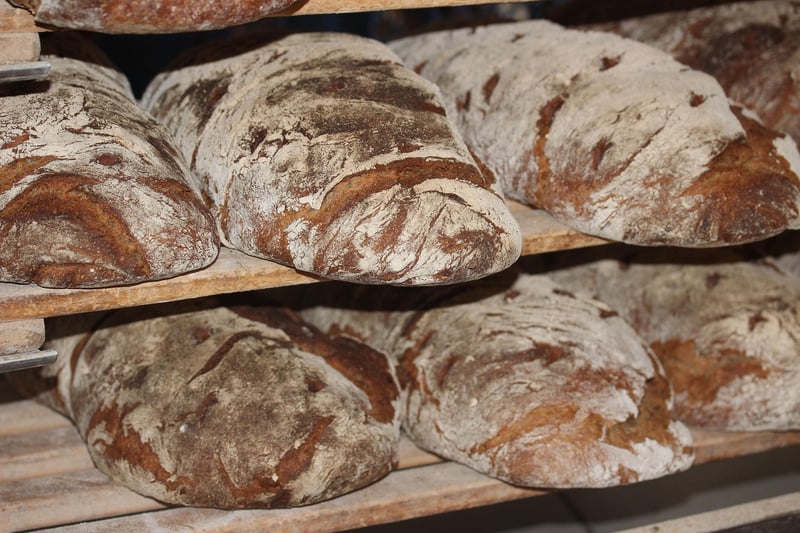
One of the essential chemical reactions in cooking is the Maillard reaction. This reaction occurs when proteins and sugars in food are exposed to heat, leading to the browning and development of complex flavors. It is responsible for the delicious crust on a seared steak, the golden color of bread crust, and the rich flavors of roasted coffee beans.
Emulsions and Suspensions: The Magic of Sauces and Dressings
Emulsions and suspensions play a crucial role in creating creamy sauces and dressings. An emulsion is a mixture of two immiscible liquids, like oil and water, stabilized by an emulsifier. Suspensions involve particles suspended in a liquid, like in a vinaigrette. Understanding the science behind these structures can help you create perfectly balanced and delicious sauces.
Leavening Agents: The Key to Fluffy Baked Goods
Ever wondered how cakes and bread rise in the oven? Leavening agents such as baking powder, baking soda, and yeast produce carbon dioxide gas, which gets trapped in the dough or batter, causing it to expand and rise. The chemical reactions between these agents and other ingredients result in light and airy baked goods.
Maestro of Flavor: Umami and Taste Perception
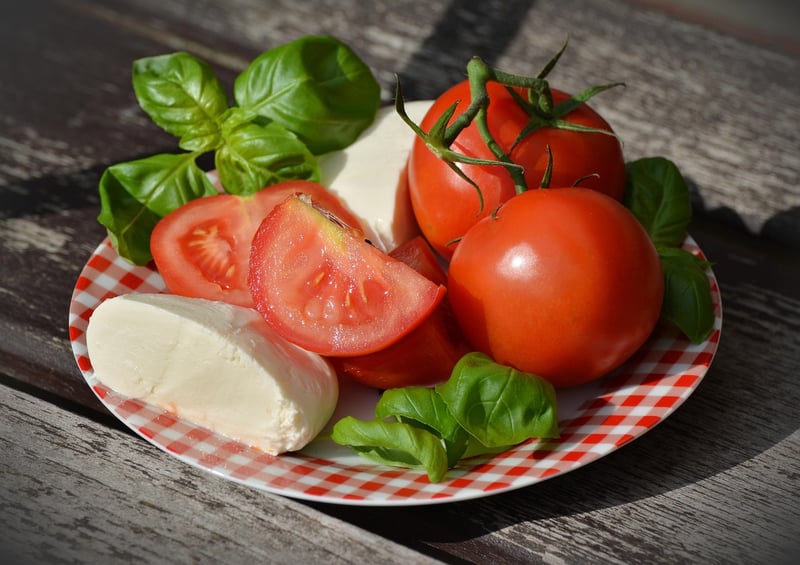
Aside from the four basic tastes - sweet, sour, salty, and bitter - there is a fifth taste known as umami. Umami is described as savory and is found in foods like tomatoes, mushrooms, and soy sauce. Understanding umami and taste perception can help you create well-balanced dishes that tantalize the taste buds.
Next time you step into the kitchen, remember that cooking is not just about following a recipe; it's about understanding the science behind the ingredients and processes. By unraveling the secrets of food chemistry, you can elevate your culinary creations to new heights!
Explore more about the fascinating world of food chemistry and experiment with new recipes to unleash your inner chef!